Homemade Blackening Seasoning
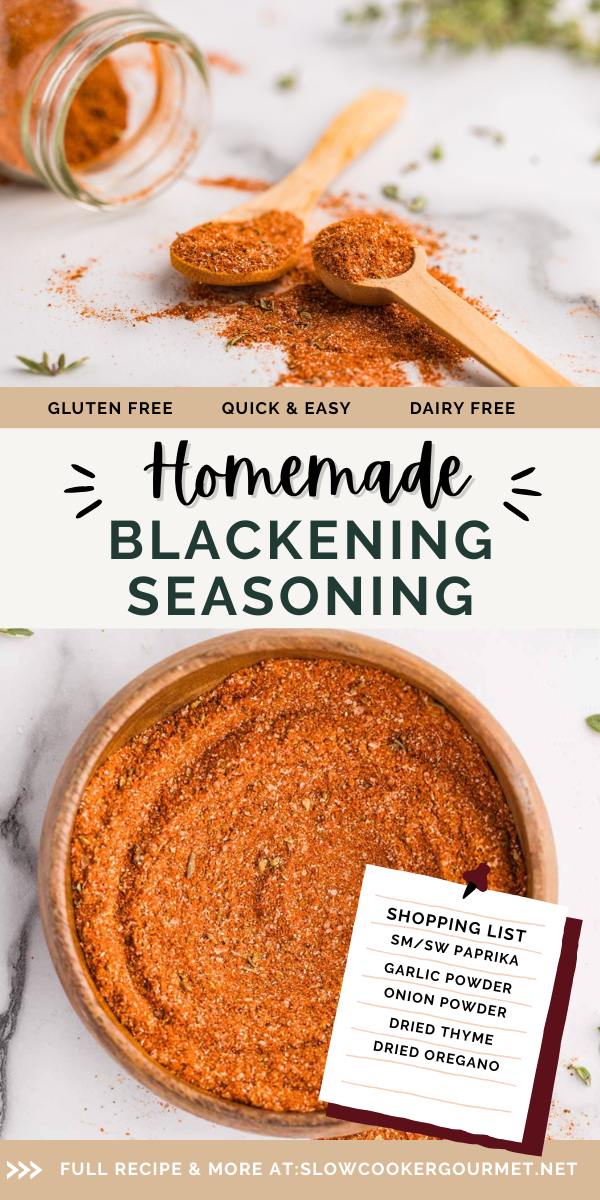
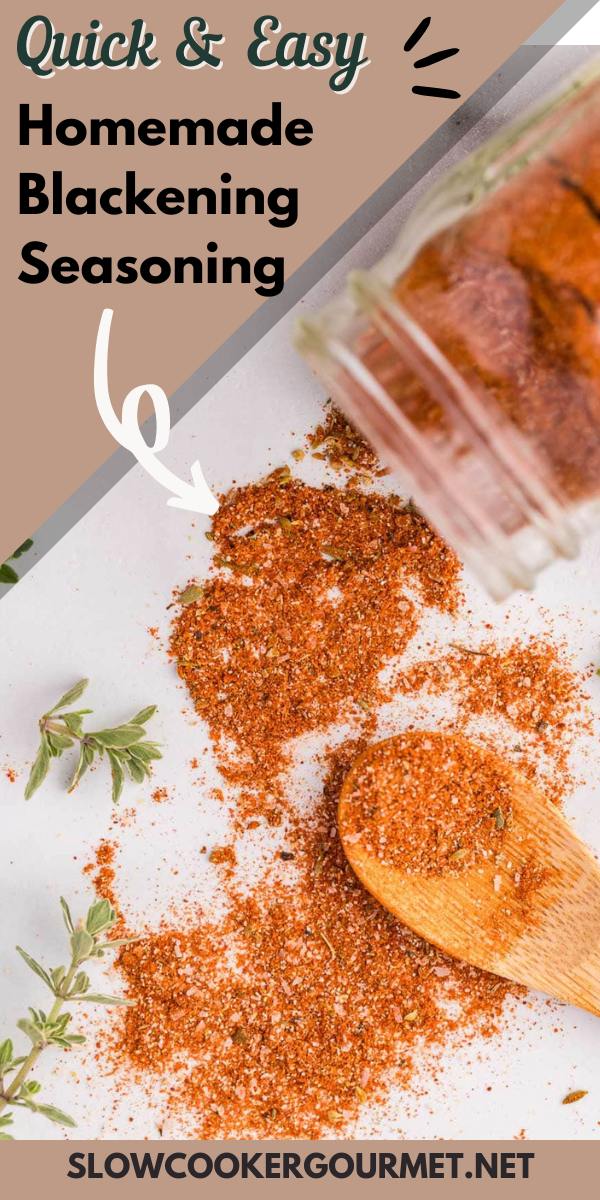
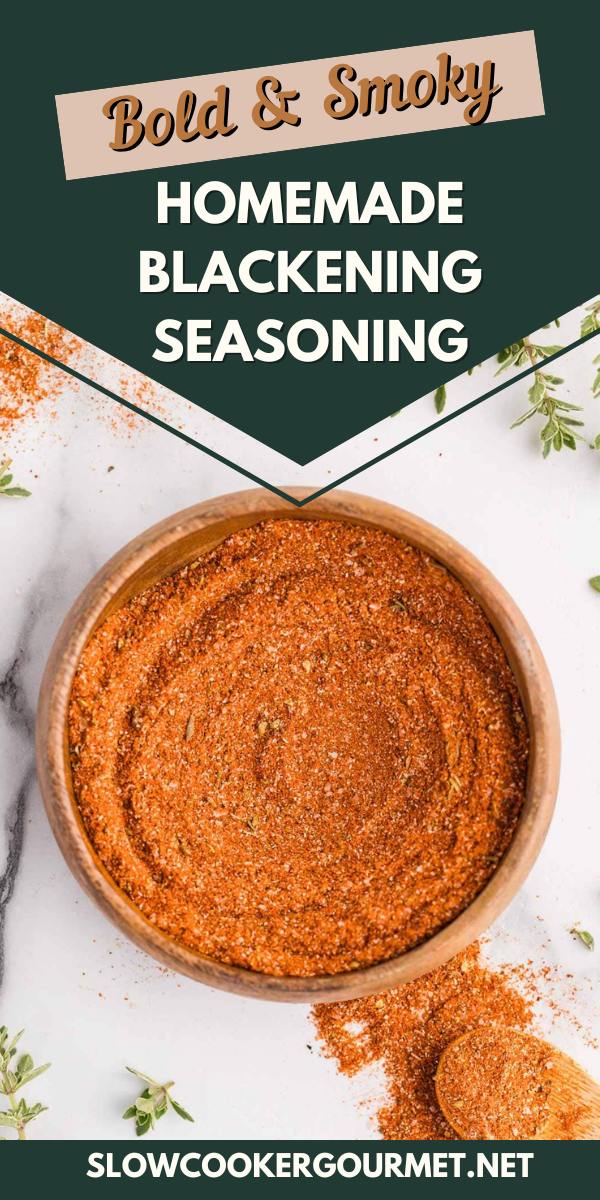
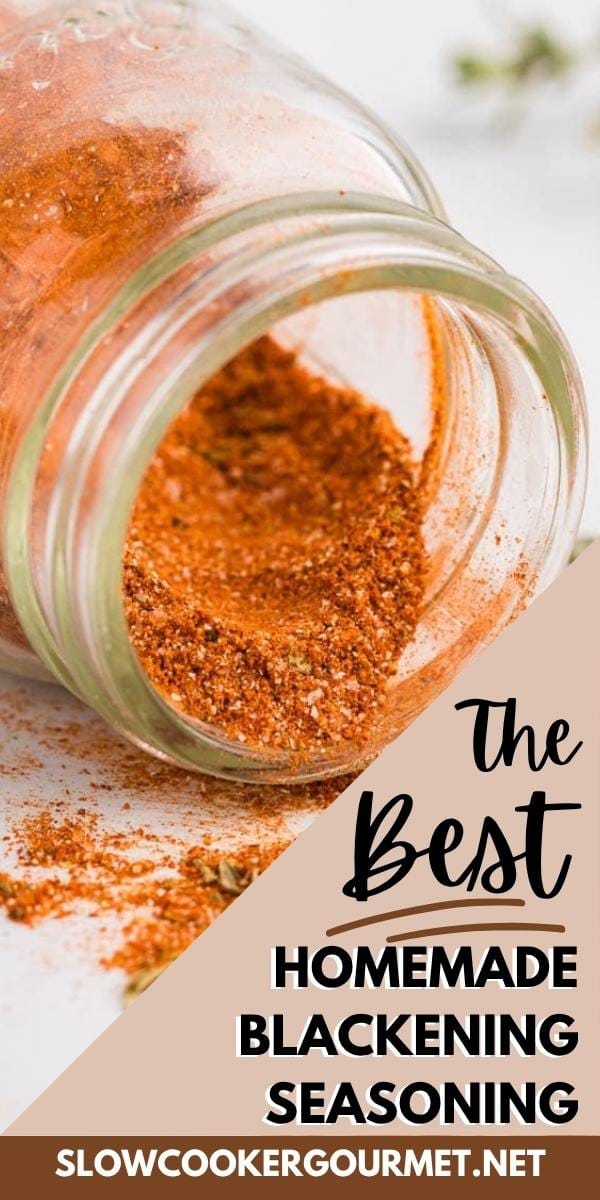
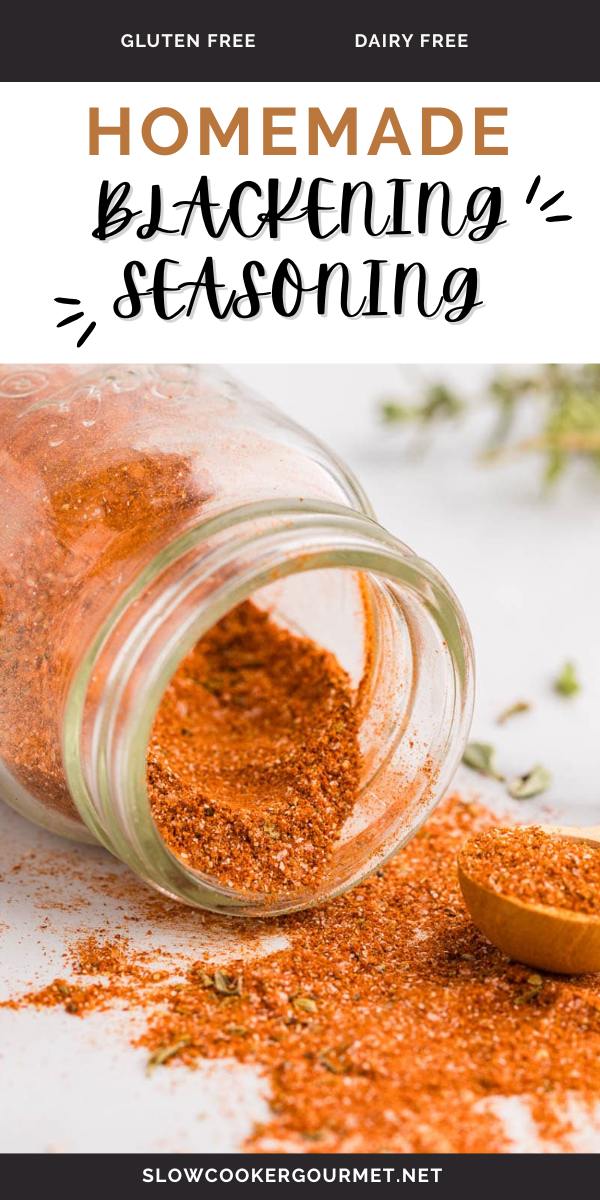
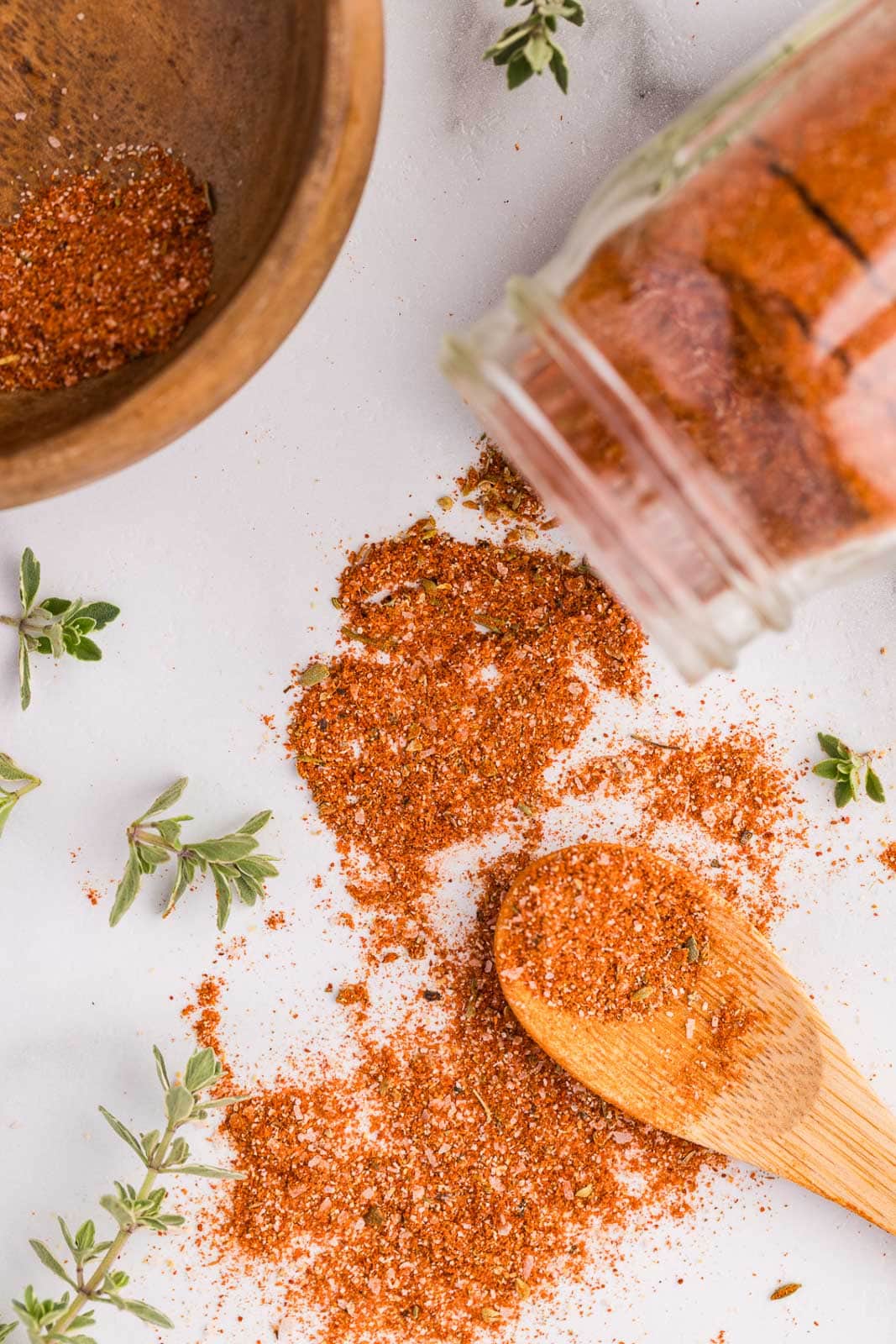
Mix up a homemade blackening seasoning to instantly elevate beef, poultry, fish, or vegetables at home! With a smoky-sweet, peppery blend and a hint of ground coffee, this seasoning creates a deliciously charred crust that adds incredible flavor to the simplest foods.
Want me to send this recipe right to your inbox?
What’s To Love About This Recipe
- Love bold, smoky flavor with just the right amount of heat? This is it! At my house, we love a little spicy kick in our seasonings, and this one is perfect since you can control the spice level.
- When you’re ready to spontaneously grill or sear meat and vegetables, you won’t need to stop and shop for a specific seasoning. This recipe is easy to mix up with common pantry spices.
- Blackening seasoning is great for seasoning chicken, fish, shrimp, or vegetables. I particularly LOVE this blend on grilled or baked salmon mixed with a little herb and garlic seasoning.
- So many store-bought blends have preservatives or fillers that you don’t always want to consume regularly. This blend is made from only simple ingredients that are easy to recognize.
- It’s easy to double or triple this recipe if you use it often! One batch also makes enough to keep on hand for multiple meals.
- Prefer more spice or a milder blend? No problem! Change it up just how you like, or depending on what foods you plan to use it on.
Blackening Seasoning vs. Creole vs. Cajun
Blackening seasoning, Cajun seasoning, and Creole seasoning are similar blends that are often used in similar cuisines through grilling, baking, or pan-searing. Each has its own unique hint of flavor and can be customized depending on the food being served.
- Blackening seasoning is a bold spice blend meant to create a dark, charred crust on protein using high heat. This blend is designed around the flavors of smoky paprika and herbs, and intensified by high temperatures.
- Cajun seasoning is simpler than blackening seasoning. It usually combines salt, garlic, paprika, cayenne, black pepper, and might be spicier than other blends.
- Creole seasoning is more herb-forward than Cajun seasoning and layers in thyme, oregano, basil, and often celery seed in addition to paprika and cayenne.
All three blends share similarities but vary in intensity and herb and spice balance. Blackening is more technique-driven for charring and best paired with high-heat cooking (such as grilling or air frying), but will also add a nice depth to slow cooker recipes through extended cooking as well.
Ingredients Needed
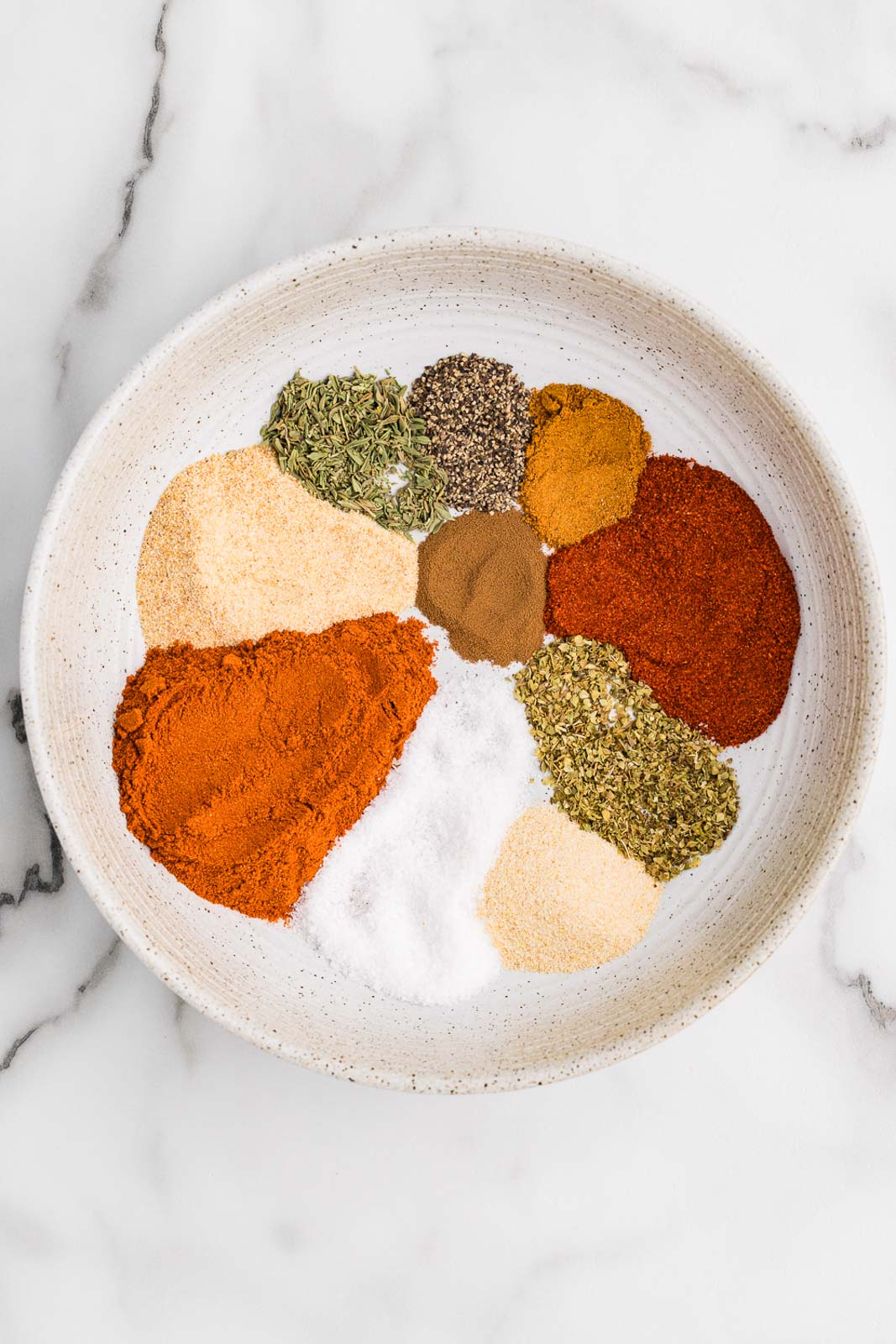
- Smoked paprika and sweet paprika – Paprika is an earthy spice, and the mix of smoky and sweet creates a delicious blend that slightly caramelizes under high heat, adding an overall warmth to any foods you apply it to.
- Garlic powder and onion powder – This pair is present in nearly all seasoning blends and together, creates the essential base flavor.
- Kosher salt – Kosher salt specifically adds a rougher texture to the seasoning. The salt sticks well to meat and vegetables, creating a slightly crusty exterior.
- Dried thyme and dried oregano – These two herbs add to the earthy flavors without overpowering the mix.
- Black pepper – Cracked or coarse-ground black pepper adds essential texture and a bit of spicy kick to the seasoning. Adjust more or less to create a spicier blend.
- Cayenne – Cayenne really kicks up the heat! You can always start with less if you’re concerned about spice level and adjust as you like.
- Instant espresso or finely ground coffee – This is an optional addition, but it lends subtle bitterness and richness to enhance the “blackened” crust. The fine texture also adheres well to create a seasoned, crispy exterior crust, and if you have instant coffee grounds on hand, use that for convenience!
How To Make Homemade Blackening Seasoning
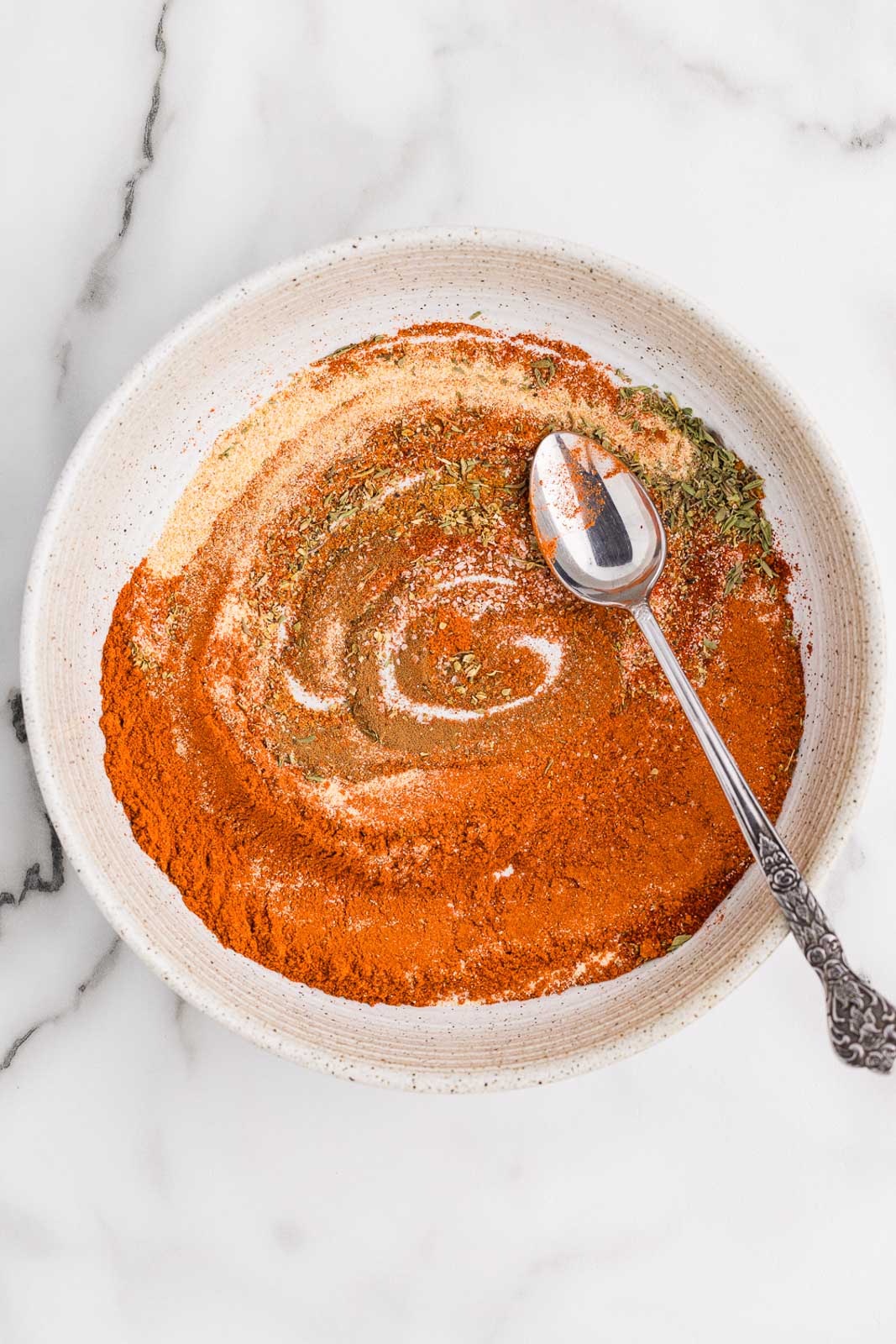
- Mix all spices in a bowl until thoroughly combined.
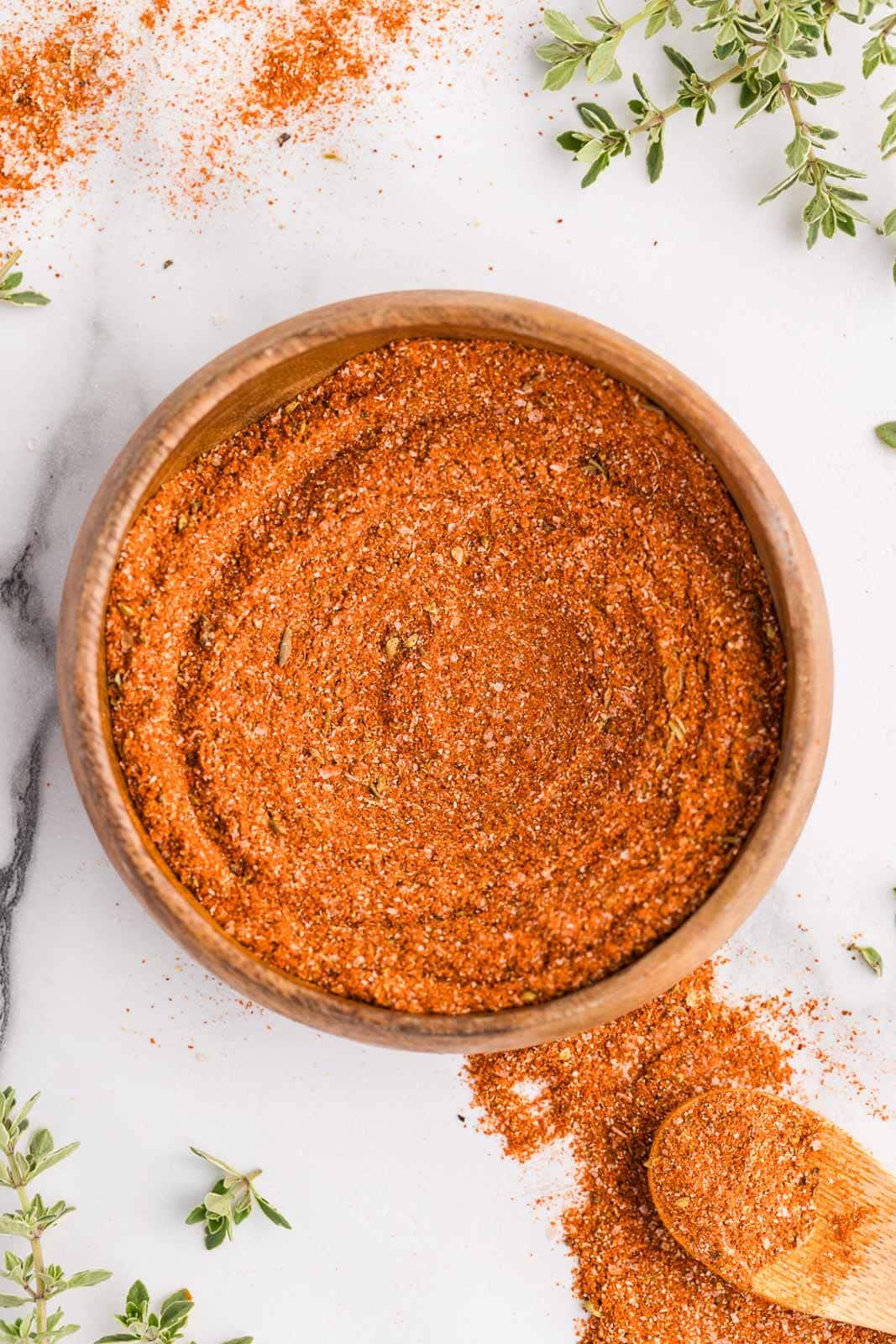
- Store in a tightly sealed jar or a spice container in a cool, dry place.
Pro Tips
- Use the freshest spices that you can for the best flavor and to maintain the longest shelf life. (Friendly reminder: a few times a year, review your spice cabinet and discard old spices. You’ll be amazed how those expiration dates sneak up on you!)
- Mix the blend thoroughly to distribute herbs and powders evenly and create a uniform texture.
- Label your jar with the seasoning name and date so you remember what’s inside and when it was made.
Recipe Substitutions and Variations
- To reduce spicy heat: Omit or reduce the amount of cayenne pepper.
- For extra spice: Increase cayenne pepper or add a pinch of crushed red pepper flakes.
- To simplify the seasoning for quick prep: Skip the espresso or coffee if you prefer a more traditional blend.
- For a slightly sweet twist: Add a pinch of brown sugar.
How To Blacken Foods With Blackening Seasoning
- Pat the food dry and coat with oil or melted butter.
- Sprinkle blackening seasoning generously over all sides, pressing it lightly.
- Heat a cast-iron skillet over medium-high heat until very hot.
- Cook the meat or seafood without moving it until a dark, crusty sear forms, then flip the meat and repeat.
- Use caution with oil and butter and high heat, as some smoking is normal.
Foods That Work Well With Blackening Seasoning
- Chicken breasts or Slow Cooker Baked Chicken Thighs with Rice
- White fish like mahi mahi or tilapia
- Shrimp
- Pork chops
- Tofu
- Vegetables like zucchini or cauliflower
- Use it to season roasted potatoes, fries, or Slow Cooker Roasted Fall Vegetables
Storage Instructions
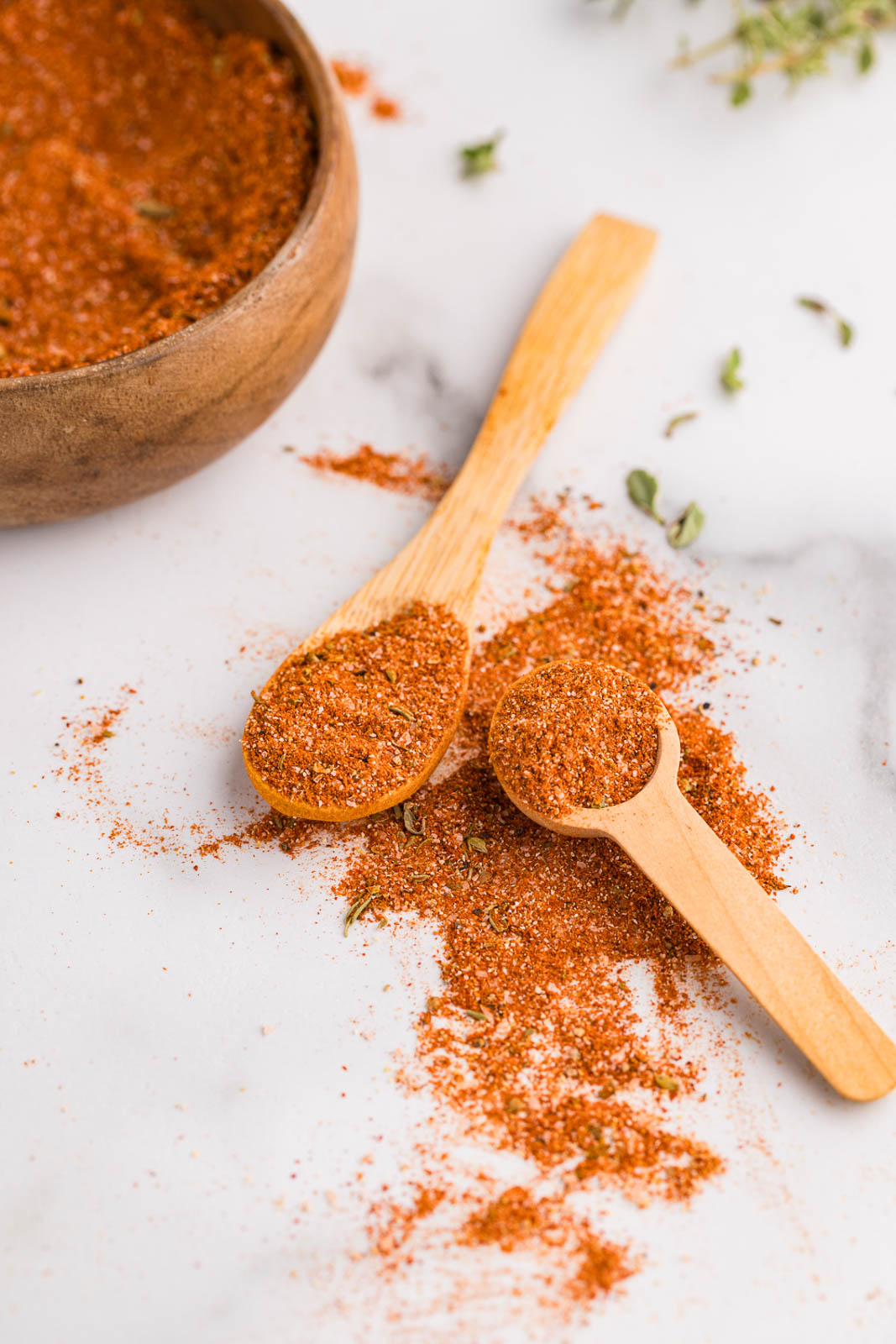
Store homemade blackening seasoning in a tightly sealed jar or spice container. Keep in a cool, dry cabinet or pantry (away from light, heat, and moisture such as steam from the stovetop).
Homemade seasoning is best used within 6 months for peak flavor and freshness.
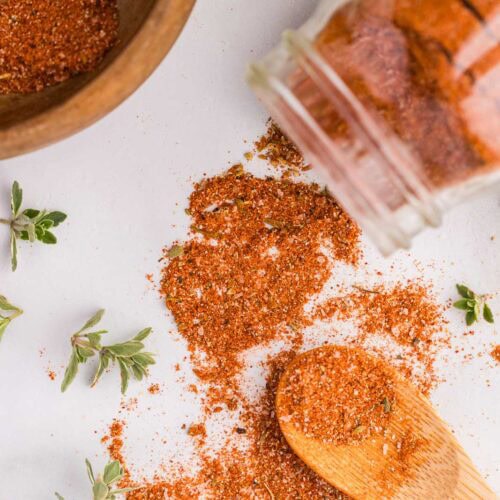
Homemade Blackening Seasoning
Equipment
- mixing bowl
- measuring spoons
- storage containers
Ingredients
- 3 Tbsp smoked paprika
- 1 Tbsp sweet paprika
- 1 Tbsp garlic powder
- 1 Tbsp kosher salt
- 2 tsp onion powder
- 1 tsp dried thyme
- 1 tsp dried oregano
- ½ tsp black pepper
- ½ tsp cayenne
- ½ tsp instant espresso or finely ground coffee

Instructions
- Mix all spices in a bowl until fully combined
- Store in a tightly sealed jar or a spice container in a cool, dry place
Notes
- Keep seasoning in a dry cabinet or pantry away from light, heat, and moisture.
- Use within 6 months for peak flavor and freshness, and begin with the freshest spices for the longest shelf life.
- Regularly review your spice cabinet and discard expired spices before mixing them into blends.
- Thoroughly mix the blend to distribute herbs and powders into a uniform texture.
- Clearly label the container with the seasoning name and date – your future self will thank you!
Nutrition
More Homemade Seasoning Recipes
- Homemade Chicken Taco Seasoning
- Easy Pot Roast Seasoning Recipe
- Homemade Spaghetti Seasoning Recipe
- Easy Homemade Steak Seasoning
- Homemade Creole Seasoning Recipe
- Homemade Garlic and Herb Seasoning
- Fajita Seasoning Recipe (Quick + Easy)
- Best Homemade Chili Seasoning Recipe
- Homemade Ranch Seasoning Recipe
